At-home COVID tests have become a convenient way to detect the virus, yet their accuracy can be compromised by common mistakes. This article explores common errors made during testing and how they can lead to false negatives, affecting public health and safety.
Is the Test Being Administered Correctly?
Importance of Reading Instructions
The first and most crucial step in performing an at-home COVID test is thoroughly reading the manufacturer’s instructions. Skipping instructions or assumptions about the procedure can be detrimental to obtaining accurate results.
False negative outcomes are highly probable when the guidelines provided by the manufacturer are not adhered to in detail. Each test kit may have unique specifications that dictate the procedure, making it imperative to understand them.
This emphasizes the role of adequate instruction comprehension in ensuring an accurate result. By taking the time to read and understand the test kit instructions, users can significantly enhance the reliability of the outcome.
Correct Sample Collection Techniques
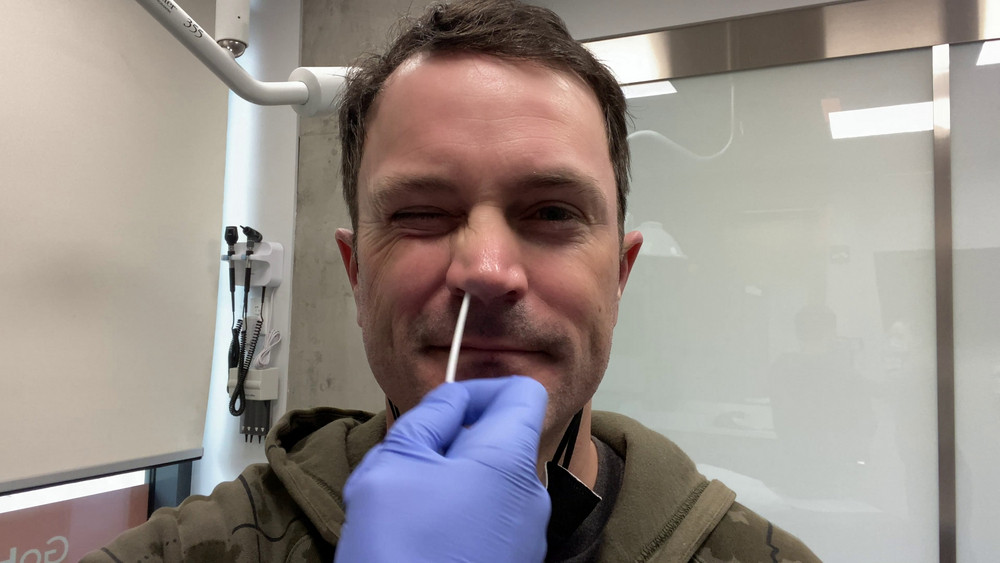
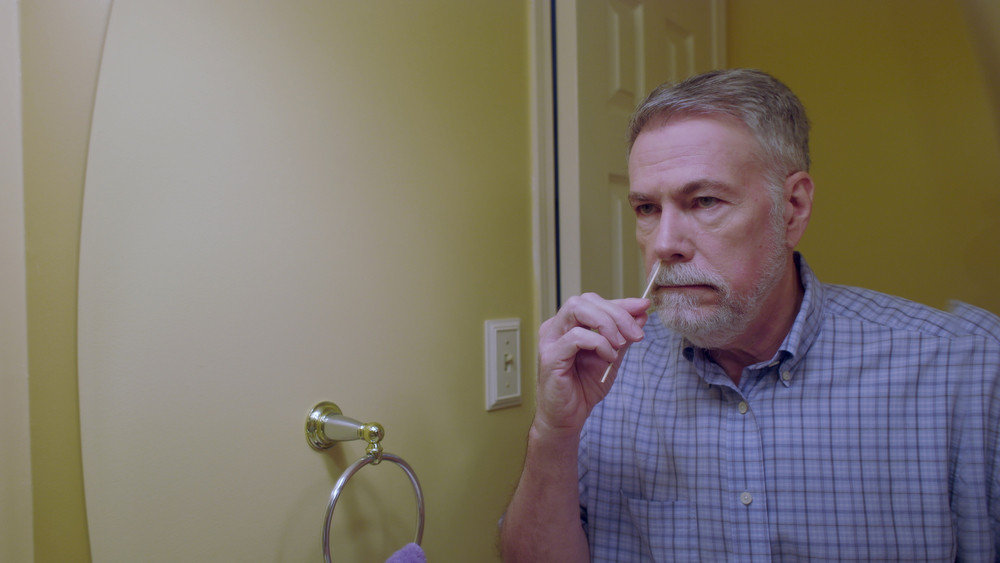
Sample collection is a pivotal step in the testing process that greatly influences accuracy. Ensuring that the correct quantity of sample is collected reduces the likelihood of encountering false negatives.
No two tests may have the same requirements for sample types and amounts, which highlights the importance of precise collection methods. Incorrect collection techniques, such as not swabbing long enough, can lead to an inadequate sample size.
Proper training or guidance on sample collection techniques can further minimize errors. Being aware of this aspect of testing is a critical component in ensuring that results are reliable and true.
Are You Testing at the Right Time?
Testing Too Early or Too Late
The timing of taking an at-home COVID test is crucial for an accurate diagnosis. Testing too soon after exposure might result in an undetectable viral load, increasing the chances of a false negative.
Similarly, waiting too long after symptoms appear can also skew results as the viral load may have already decreased. Understanding your exposure timeline and consulting healthcare guidelines can provide a strategic testing timeframe.
Timely testing is key and reflects an important nuance in antigen detection. By aligning your test timing with the infection curve, you maximize the test’s effectiveness.
Following Quarantine and Testing Rules
Adherence to quarantine guidelines is critical when planning to take an at-home COVID test. Quarantine ensures that the potential incubation period of the virus is respected before testing, improving accuracy.
Compliance with testing rules not only impacts personal health outcomes but also contributes to broader public health efforts. Disregarding these guidelines can lead to inaccurate test results, thus affecting community safety.
Understanding and participating in quarantine protocols aligns personal behavior with public health strategies. The stricter these protocols are followed, the more effectively COVID-19 can be managed and contained.
Are You Storing the Test Properly?
Temperature and Environment
Proper storage of at-home COVID tests is critical in maintaining their efficacy. Extreme environmental conditions, such as high heat or excessive cold, can alter the chemical composition of the test components.
The recommended storage temperature and environment are specified in the test’s instruction manual and should be adhered to strictly. Ignoring these conditions can compromise the validity of the test result and lead to false negatives.
Consistency in following storage recommendations reflects diligence in preserving test accuracy. Ensuring the test kit is stored correctly is a straightforward yet crucial part of successful home testing.
Checking Expiration Dates
One often overlooked aspect of maintaining test accuracy is being aware of and respecting the expiration date of the test kit. Using expired kits is a common mistake that can lead to unreliable results.
Expired tests might not have the chemical reactivity necessary to provide an accurate reading. Regularly checking the expiration date before conducting the test can prevent wasted efforts and false negatives.
The precision of results heavily relies on the condition and validity of the test materials. As such, verifying the test kit’s expiration ensures its operational integrity.
Are You Interpreting the Results Accurately?
Understanding Test Sensitivity and Specificity
Grasping the sensitivity and specificity of your at-home COVID test is key to understanding the probability of false outcomes. Sensitivity pertains to a test’s ability to correctly identify those with the virus.
Specificity refers to the ability to correctly identify those without the virus. Both factors influence the likelihood of false positives or negatives and are specified by each test manufacturer.
Informed users can interpret their test results within the context of these parameters. Knowledge about sensitivity and specificity enables a broader understanding of test accuracy.
Reading Test Results Correctly
Accurately reading test results is fundamental to the reliability of at-home COVID testing services. Misinterpretation often results from disregarding the time frame within which results should be read.
The markings indicating a positive or negative result should be clear in the test’s instruction manual. This emphasizes the need for focused attention during the final stages of the test process to avoid errors.
Reviewing the test within the prescribed time ensures that the chemical reactions have settled appropriately. Accurate result reading completes the procedural chain needed for successful at-home testing.
Ensuring the accuracy of at-home COVID test results relies on proper test administration, correct timing, correct storage, and accurate result interpretation. By avoiding these common mistakes, individuals can significantly reduce the risk of false negatives and help maintain their health and the health of those around them.